Usman Khawaja backs Usman Tariq amid “chucking” controversy

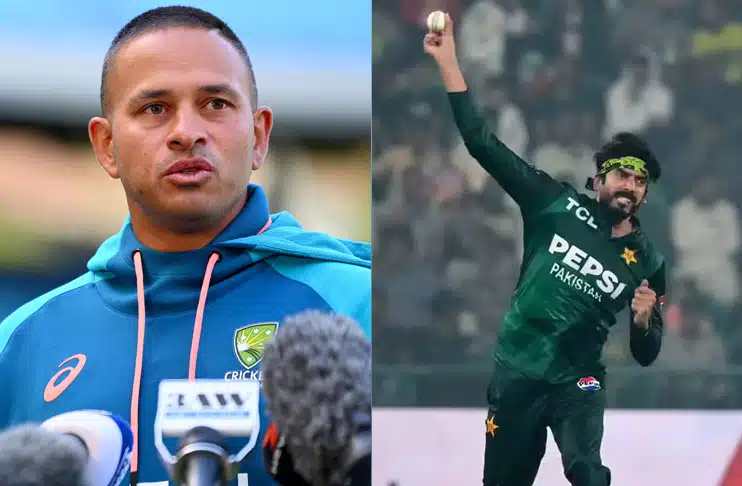
Former Australia batter Usman Khawaja has come out in support of Pakistan spinner Usman Tariq following a controversial incident during the second T20I against Australia.

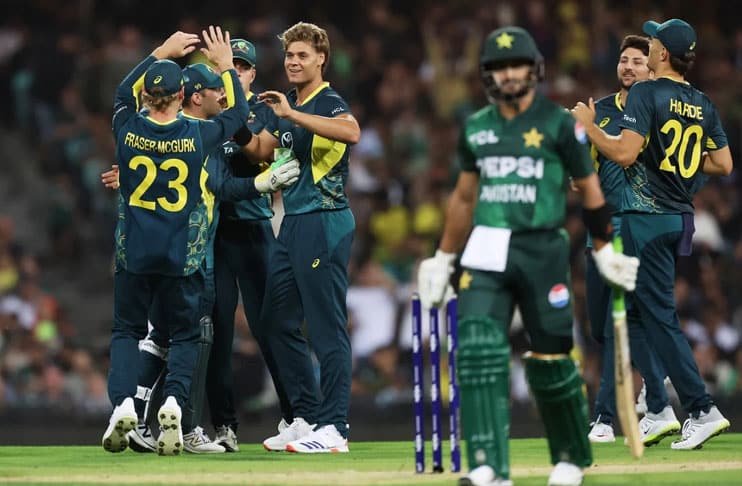
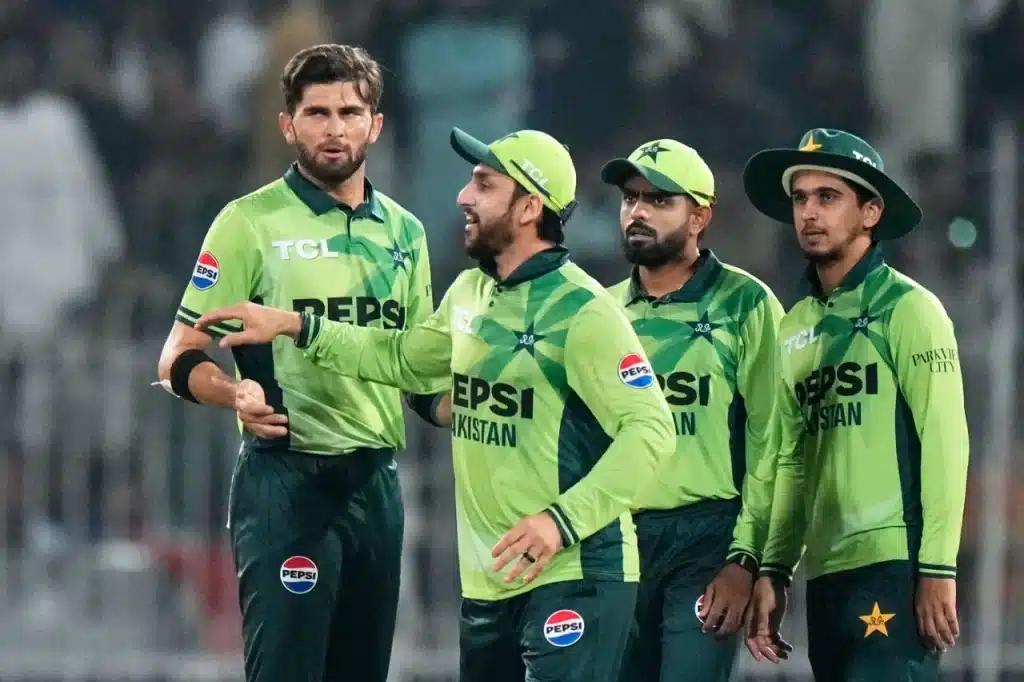
During the game, Australian batter Cameron Green was seen making a gesture widely interpreted as questioning Tariq’s bowling action.

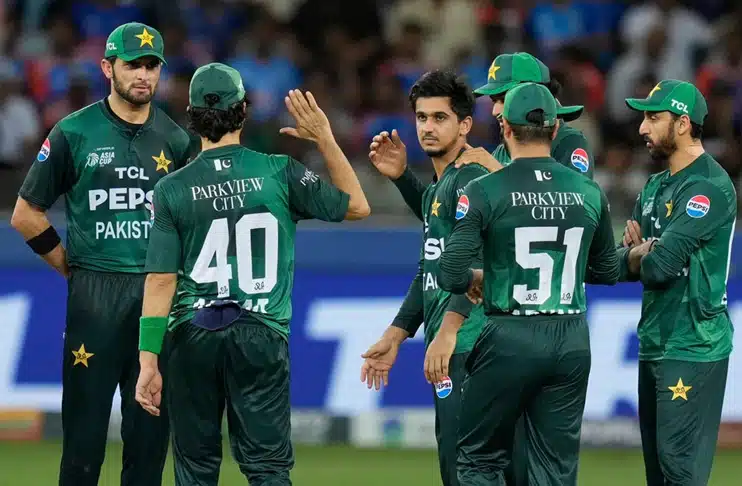
The incident occurred after Green, who had been looking in control at the crease, was dismissed for 35 runs off Tariq’s delivery, caught by Shadab Khan.

Broadcast cameras captured Green making a gesture that many fans and analysts took as implying an illegal action, or “chucking.”

Follow us on our Official WhatsApp channel

This is not the first time Tariq’s bowling has been scrutinised. The spinner was reported during PSL 9 and 10, but his action was officially cleared on both occasions.

While Green has not publicly addressed the gesture, Khawaja, who played alongside him for Australia, expressed his support for Tariq on Instagram, sharing the views of cricket journalist Paul Dennett.

“There aren’t many things worse than being called a ‘chucker’ in cricket,” Usman Khawaja wrote.

“The stigma is real. The man is just doing his best and has been cleared twice. Let’s have some perspective and understanding and stop jumping to conclusions.”

Usman Khawaja backs Usman Tariq amid “chucking” controversy

Usman Tariq has previously explained that the natural bend in his elbows can create confusion for spectators.

“There are two corners on my elbow that make it hard for me to straighten,” he said in an interview last year.

“I gave two tests at labs in Pakistan, and my action was cleared within a week. I didn’t get told to change anything. I was confident because I knew I was not throwing.”

READ: Novak Djokovic hints at retirement after Australian Open loss

U19 World Cup: Pakistan, India semi-final qualification scenario explained

BULAWAYO: Pakistan and India are set for a high-stakes showdown on Sunday, February 1, in what has effectively become a virtual knockout for a place in the ICC Men’s U19 World Cup 2026 semi-finals.

While fans are already dreaming of a potential Pakistan vs India final, the reality is that both teams qualifying from Super Six Group 2 is highly unlikely, though not impossible.

The outcome hinges on the result of England vs New Zealand, scheduled for Friday, January 30.

England currently lead their Super Six group, boasting an unbeaten 3-0 record, which includes wins carried forward against Pakistan and Zimbabwe from the group stage.

If England beat New Zealand, they will finish on eight points, securing a semi-final spot and leaving only one place for either Pakistan or India.

However, if New Zealand manage to turn things around and pull off an upset, the door opens for both Pakistan and India.

In that scenario, a Pakistan win over India on Sunday would create a three-way tie at six points, with Net Run Rate (NRR) deciding the top two teams to advance.

Follow us on our Official WhatsApp channel

At present, England’s NRR is 1.989, while Pakistan sits at 1.484 and India at 3.337. Pakistan can improve its NRR significantly with a dominant performance against India, potentially pipping England and qualifying for the semi-final with India.

However, in case of England’s victory, Pakistan not only have to defeat India, but to win in a manner to surpass their arch-rivals in NRR to make it to the semi-finals.

Currently, India hold the advantage with six points and a better NRR; however, the NRR gap may look daunting, but it’s not as impossible as it seems.

If Pakistan bat first and post a total of 300, they would need to win by at least 85 runs to surpass India’s NRR.

If Pakistan bowl first and restrict India to 200, they would need to chase the target in roughly 31.5 overs.

For a target of 251, Pakistan would need to finish the chase in about 33.2 overs.

READ: Finch, Clarke stunned over Haris Rauf’s exclusion from Pakistan T20I squad

Pakistan could face major penalties over T20 World Cup boycott: report

The Pakistan Cricket Board (PCB) could face serious financial and sporting repercussions if the national team withdraws from the ICC Men’s T20 World Cup 2026, according to reports in Indian media.

The speculation gathered pace after PCB chairman Mohsin Naqvi confirmed on Saturday that the final decision on Pakistan’s participation will be taken by the federal government, following the ICC’s decision to replace Bangladesh with Scotland for the marquee event.

Naqvi made it clear that the board would follow government directives, even if it means pulling out of the tournament.

However, sources cited in Indian media believe Pakistan’s stance is being viewed within ICC circles as a pressure tactic rather than a concrete decision to withdraw.

Meanwhile, officials within ICC have reportedly warned that an actual pullout could trigger severe penalties.

According to a report by Hindustan Times, ICC officials have indicated that Pakistan’s withdrawal at this stage would amount to a breach of the event’s participation agreement, with immediate financial consequences for the PCB.

The report claims that PCB’s annual ICC revenue share, estimated at around $34.5 million, could be frozen. The amount forms part of the ICC’s $3.2 billion media rights cycle (2024–27), a bulk of which is driven by the Indian market.

“As a direct consequence, PCB’s share of ICC annual revenue would be withheld,” an ICC official was quoted as saying on condition of anonymity.

Follow us on our Official WhatsApp channel

Beyond the financial hit, the report suggests that Pakistan could also face restrictions on future bilateral series and a diminished role in upcoming ICC events if the withdrawal is seen as politically motivated rather than based on cricketing or security concerns.

According to the report, a boycott could also impact the Pakistan Super League (PSL), particularly in terms of foreign player availability.

The report further added that if the Green Shirts boycott the T20 World Cup “solely on government advice” despite no issue concerning the team, then ICC will see it as an attempt to “weaponise sport for politics.”

The ICC Men’s T20 World Cup 2026 is scheduled to begin on 7 February, with Pakistan originally set to open their campaign against the Netherlands.

Pakistan are drawn in Group A alongside India, the Netherlands, USA and Namibia, with all of their group matches to be played in Sri Lanka under the hybrid model.

Pakistan are due to face the USA on 10 February, followed by the much-anticipated clash against India on 15 February, before concluding the group stage against Namibia on 18 February.

If Pakistan qualify for the semi-finals and final, both matches are slated to be played in Colombo. Otherwise, the knockout fixtures will take place in Kolkata and Ahmedabad.

READ: All you need to know about PSL 11 Player Auction

PTV stun SNGPL to break 232-year-old first-class cricket record

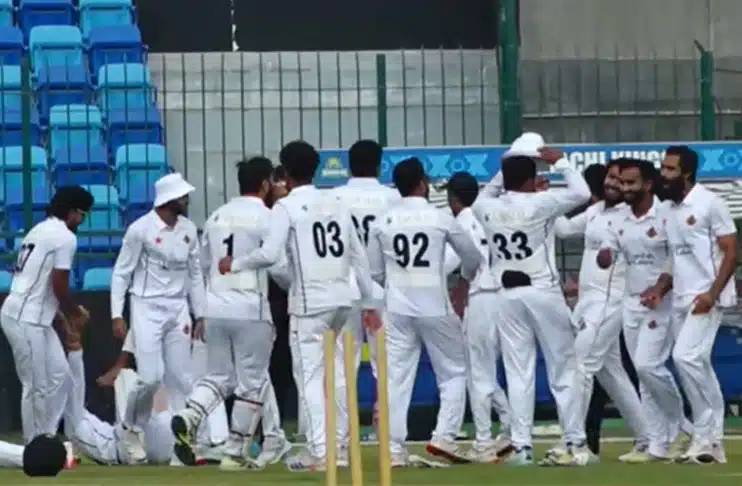
KARACHI: Pakistan TV (PTV) broke a 232-year-old first-class cricket record to register a thrilling two-run victory against Sui Northern Gas Pipelines Limited (SNGPL) in the President’s Trophy Grade-I at the National Bank Stadium on Saturday.

PTV came from the back on the final day to pull off an extraordinary victory in the history of the game, successfully defending a target of just 40 runs.

With this feat, PTV became the first team in the 253-year history of first-class cricket to defend a target as low as 40, eclipsing a record that had stood unbroken for 232 years.

The contest appeared firmly tilted in SNGPL’s favour for most of the match. PTV were dismissed for 166 in their first innings, with Amad Butt’s unbeaten 46 offering the lone resistance.

SNGPL’s bowling attack was disciplined and incisive, led by Shehzad Gul’s four-wicket haul, while Shahnawaz Dahani and Sajid Khan chipped in with two wickets apiece.

In reply, SNGPL posted 238, gaining a healthy 72-run lead. Their innings was rescued by wicketkeeper-batter Saifullah Bangash, who played a counter-attacking knock of 71 after the side had slumped to 94-6.

Follow us on our Official WhatsApp channel

For PTV, left-arm spinner Ali Usman starred with the ball, claiming four wickets, while Amad Butt and Israr Hussain took three each to keep the deficit within reach.

However, PTV’s second innings failed to ignite, as they were bowled out for 111, setting SNGPL a seemingly straightforward target of 40.

Once again, Shehzad Gul proved the chief tormentor, tearing through the batting line-up with a five-wicket haul.

However, what followed rewrote the record book as PTV launched an improbable fightback, led by a sensational spell from Ali Usman, who ran riot to claim figures of 6 for 9.

Meanwhile, Amad Butt provided relentless support at the other end, claiming the remaining four wickets. SNGPL bundled out for just 37, handing PTV a stunning two-run victory.

The previous record for the lowest successful defence in first-class cricket dated back to 1794, when Oldfield defended a target of 41 against the Marylebone Cricket Club at Lord’s Old Ground.

READ: Strikers rout Renegades for 99 to sign off BBL 15 with dominant win

PCB to revise match timings for Australia T20Is: sources

LAHORE: The Pakistan Cricket Board (PCB) has opted to revise the match timings for the upcoming three-match T20I series against Australia, with an official announcement expected soon, sources confirmed on Friday.

The move has been prompted by extreme weather conditions in Lahore, which have led the PCB to bring forward the start time of all three matches.

Each T20I will now begin at 4:00 PM local time, with the toss scheduled for 3:30 PM. Earlier, the matches were set for a 6:00 PM start, with the toss at 5:30 PM.

Pakistan and Australia are set to face off at Lahore’s Gaddafi Stadium on January 29, January 31 and February 1.

The series will serve as an important build-up for both sides ahead of the ICC Men’s T20 World Cup 2026, which will be jointly hosted by India and Sri Lanka from February 7 to March 8.

At the upcoming World Cup, Pakistan have been placed in Group A alongside arch-rivals India, as well as the USA, the Netherlands and Namibia.

Follow us on our Official WhatsApp channel

Australia, meanwhile, will compete in Group B, featuring Sri Lanka, Ireland, Zimbabwe and Oman.

The tour will mark Australia’s third visit to Pakistan since their landmark return in March–April 2022, when they played a historic Test series, followed by an ODI leg and a solitary T20I.

More recently, Australia also featured in three matches of the ICC Champions Trophy 2025 held in Pakistan.

Pakistan and Australia share a competitive T20I rivalry, having faced each other 28 times in the shortest format.

Australia hold a slight edge with 14 wins, while Pakistan have claimed 12 victories. One match ended in a tie, with another producing no result.

Pakistan vs Australia series revised schedule

  • 1st T20I – Thursday, 29 January – 4pm PKT
  • 2nd T20I – Saturday, 31 January – 4pm PKT
  • 3rd T20I – Sunday, 1 February – 4pm PKT

READ: Barcelona edge Racing Santander to reach Copa del Rey quarters

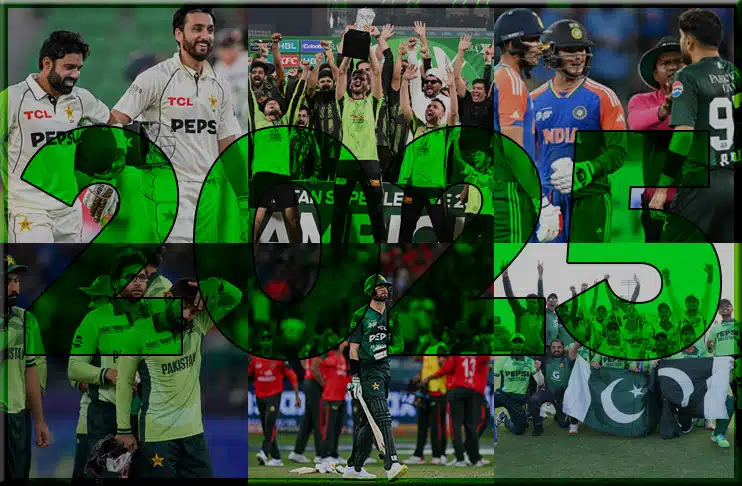
Pakistan Cricket in 2025: A Year Caught Between Transition and Promise

The year 2025 was an unusual and difficult one to assess for the Pakistan men’s cricket team.

There were no trophies added to the cabinet, no Test series victories to celebrate, and while the T20I results showed a healthy number of bilateral wins on paper, the quality of opposition often left room for debate.

In ODI cricket, Pakistan looked directionless in the first half of the year before finding some stability later on, making it impossible to categorically describe the year as either a success or a failure.

While the senior side struggled to establish consistency, the country’s young cricketers stepped forward with authority, winning tournaments, showing composure in pressure moments, and offering a glimpse of a future that appears far more secure than the present.

Test Cricket: Promising Moments, Familiar Outcomes

Pakistan’s year began on a disappointing note in South Africa, where they suffered a second Test defeat that became memorable for reasons beyond the result.

Ryan Rickelton’s marathon 259 dominated the match, while Saim Ayub’s injury during the first innings not only hurt Pakistan in the moment but also disrupted their plans for much of the year that followed.

The loss completed a 2-0 whitewash in the two-match series and once again highlighted Pakistan’s struggles away from home in Test cricket.

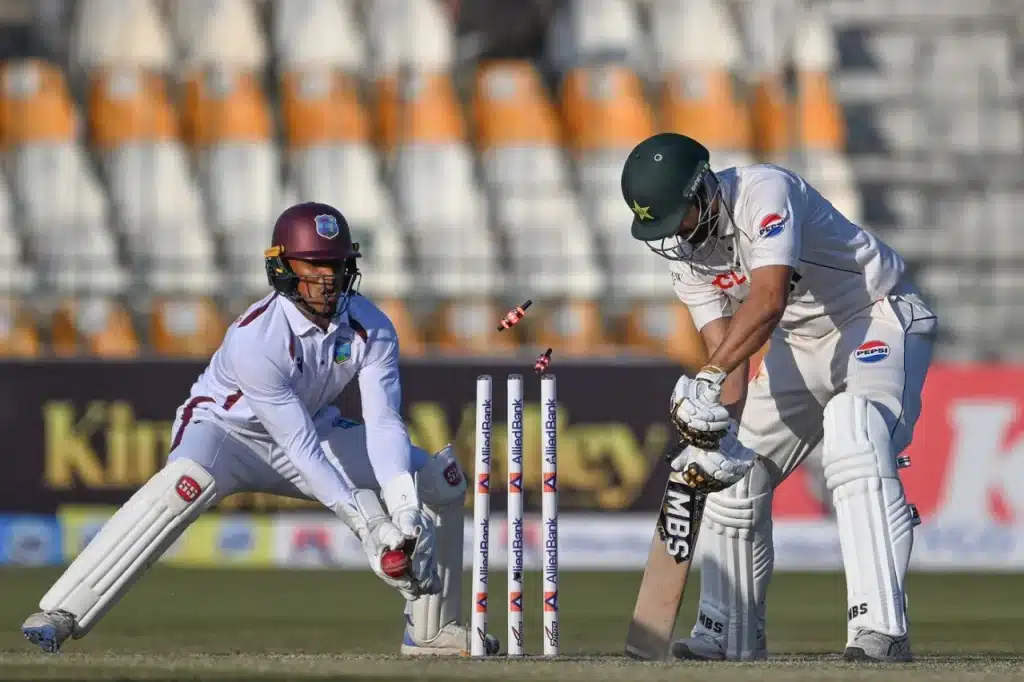
Back in familiar conditions, Pakistan hosted West Indies for a two-match Test series on spin-friendly surfaces, a trend they had fully embraced since late 2024.

Pakistan Cricket in 2025: A Year Caught Between Transition and Promise

Sajid Khan was the standout performer in the opening Test, claiming nine wickets as Pakistan secured a 127-run victory, though West Indies found encouragement through left-arm spinner Jomel Warrican, who finished with a 10-wicket haul.

The second Test, however, swung decisively in the visitors’ favour. Warrican once again emerged as the defining figure, taking nine wickets and contributing a crucial unbeaten 36 with the bat as West Indies defeated Pakistan by 120 runs to level the series, ensuring Pakistan ended the year without a single Test series win.

ODI Tri-Series: Brief Optimism Before Reality Sets In

In early February, Pakistan hosted South Africa and New Zealand in an ODI tri-series as part of their preparations for the ICC Champions Trophy 2025.

A defeat against New Zealand was followed by one of Pakistan’s most memorable run chases in recent years, as they hunted down a daunting target of 353 against South Africa.

Captain Mohammad Rizwan anchored the innings with an unbeaten 122, while Salman Ali Agha produced a superb 130, the pair adding 260 runs for the fourth wicket in a record-breaking partnership that briefly reignited belief around the team.

Pakistan Cricket in 2025: A Year Caught Between Transition and Promise

That momentum, however, failed to carry into the final, where Pakistan were comfortably beaten by New Zealand after being unable to defend a modest total of 242.

Champions Trophy: A Disastrous Home Campaign

The ICC Men’s Champions Trophy 2025, hosted by Pakistan and the United Arab Emirates (UAE) under the ICC-approved hybrid model, was meant to be a statement event.

Instead, it became one of Pakistan’s most painful tournaments in recent memory. Entering as defending champions, Pakistan’s campaign quickly spiralled off course.

In the opening match, centuries from Tom Latham and Will Young powered New Zealand to a commanding 60-run victory.

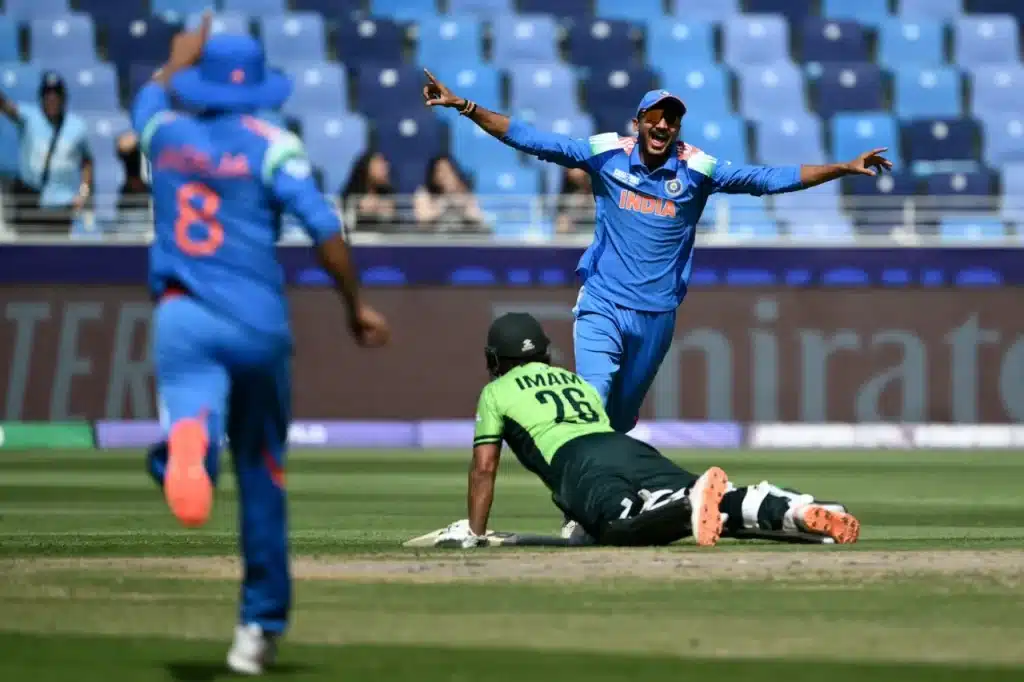
The much-anticipated clash against India followed, but Pakistan’s batting collapsed under pressure as they were dismissed for 241, a total India chased down comfortably with Virat Kohli scoring an unbeaten century.

Pakistan Cricket in 2025: A Year Caught Between Transition and Promise

With two defeats already on the board, Pakistan’s fate was effectively sealed before their final group match.

Their match against Bangladesh was washed out without a ball being bowled in Rawalpindi, resulting in Pakistan crashing out in the group stage with a net run rate worse than Bangladesh’s.

India eventually went on to lift the trophy, while Pakistan were left to reflect on a home campaign that ended far earlier than expected.

Reset in Leadership, Struggles on Tour

The Champions Trophy exit prompted significant changes within the Pakistan setup, as Mohammad Rizwan was removed as T20I captain and replaced by Salman Ali Agha, with Shadab Khan appointed vice-captain as part of a broader rebuild aimed at the 2026 T20 World Cup.

Notably, no immediate changes were made to the ODI leadership despite the tournament being played in that format.

Pakistan’s subsequent tour of New Zealand did little to improve matters. The visitors lost the T20I series 4-1 and were comprehensively whitewashed 3-0 in the ODI series.

The lone bright moment arrived in the third T20I, where young batter Hasan Nawaz announced himself with a scintillating unbeaten 105 off 45 balls, during Pakistan’s only win of the tour.

PSL 10: Lahore Qalandars Defy the Odds

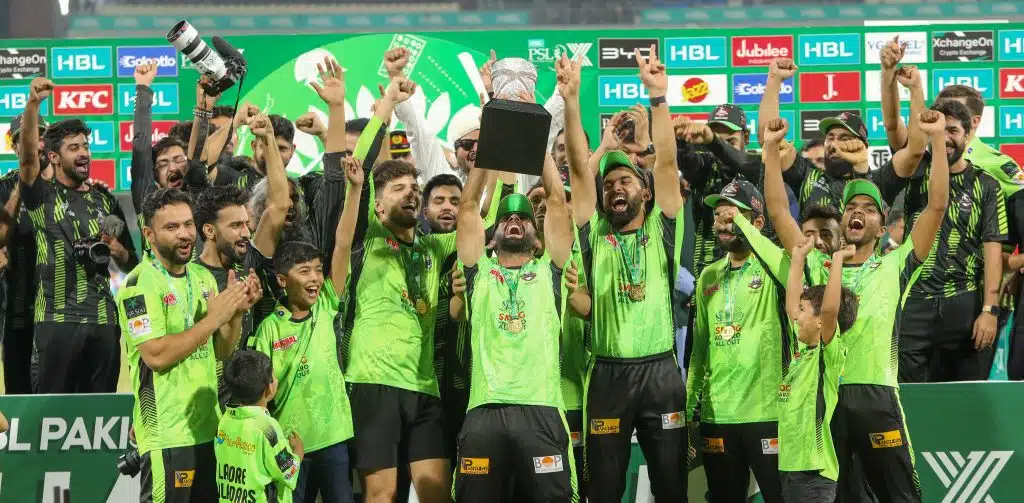
The tenth edition of the Pakistan Super League (PSL) delivered the spectacle expected from a landmark season, particularly with expansion set to follow in future editions. Few stories captured the imagination more than Lahore Qalandars’ remarkable turnaround.

After scraping into the playoffs as the fourth-placed side with a victory over Peshawar Zalmi in a virtual knockout, they defeated arch-rivals Karachi Kings in the Eliminator, and then overcame defending champions Islamabad United in the Qualifier

In the final, they chased down a challenging target of 202 against Quetta Gladiators with six wickets to spare, lifting their third PSL title under the leadership of Shaheen Shah Afridi and joining Islamabad United as the league’s most successful franchises.

Pakistan Cricket in 2025: A Year Caught Between Transition and Promise

New Coach, Mixed White-Ball Returns

Following the PSL, the PCB appointed New Zealand’s Mike Hesson as white-ball head coach, a move aimed at modernising Pakistan cricket team’s limited-overs approach.

Hesson’s tenure began with a dominant 3-0 T20I whitewash of Bangladesh at home, but Pakistan were unable to replicate that success on the return tour, losing the series 2-1 in July.

The tour of the West Indies further highlighted the team’s inconsistency, as Pakistan won the T20I series 2-1 but lost the ODI series by the same margin, a result that ultimately marked the end of Rizwan’s tenure as white-ball captain.

Asia Cup and a Familiar Rivalry

Pakistan then travelled to the UAE for a T20I tri-series against Afghanistan and the hosts as part of their Asia Cup preparations, claiming the trophy after defeating Afghanistan in a low-scoring final. The Asia Cup itself, however, told a familiar story.

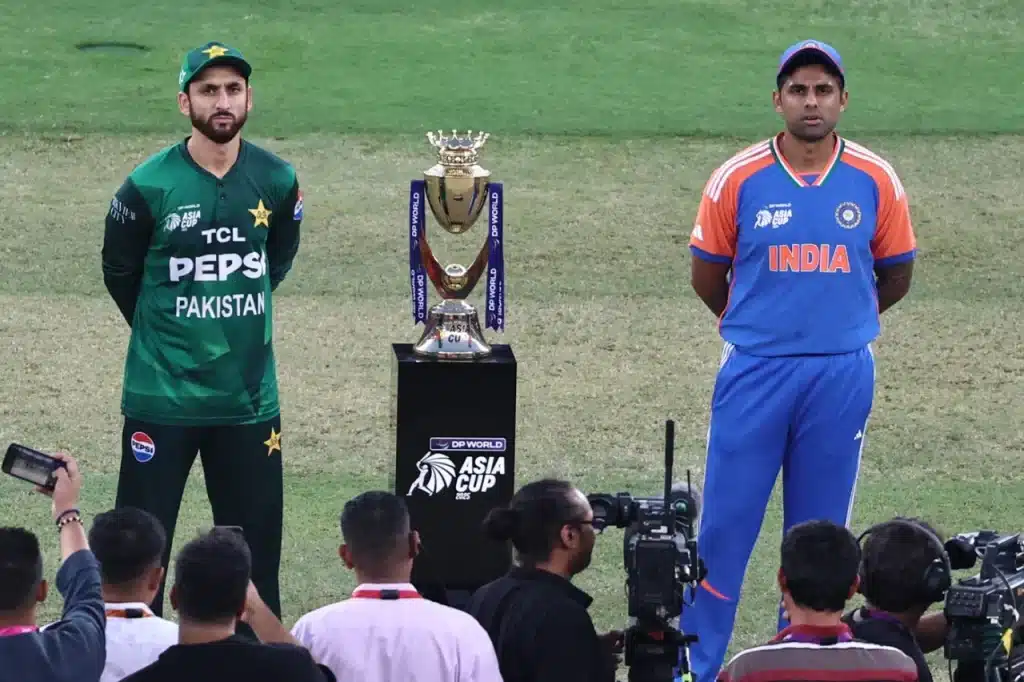
After opening with a win over Oman, Pakistan suffered defeats to India in the group stage and again in the Super Four, though victories over Sri Lanka and Bangladesh ensured a place in the final.

Pakistan vs India Asia Cup 2025

There, India once again proved too strong, completing a clean sweep over Pakistan across the tournament.

Late-Year Stability in White-Ball Cricket

Pakistan began their WTC 2025-27 campaign with a home Test win over South Africa, though the visitors bounced back to draw the series.

During the second Test, the PCB confirmed Shaheen Shah Afridi as Pakistan’s new ODI captain, a change that brought immediate results.

Pakistan vs South Africa

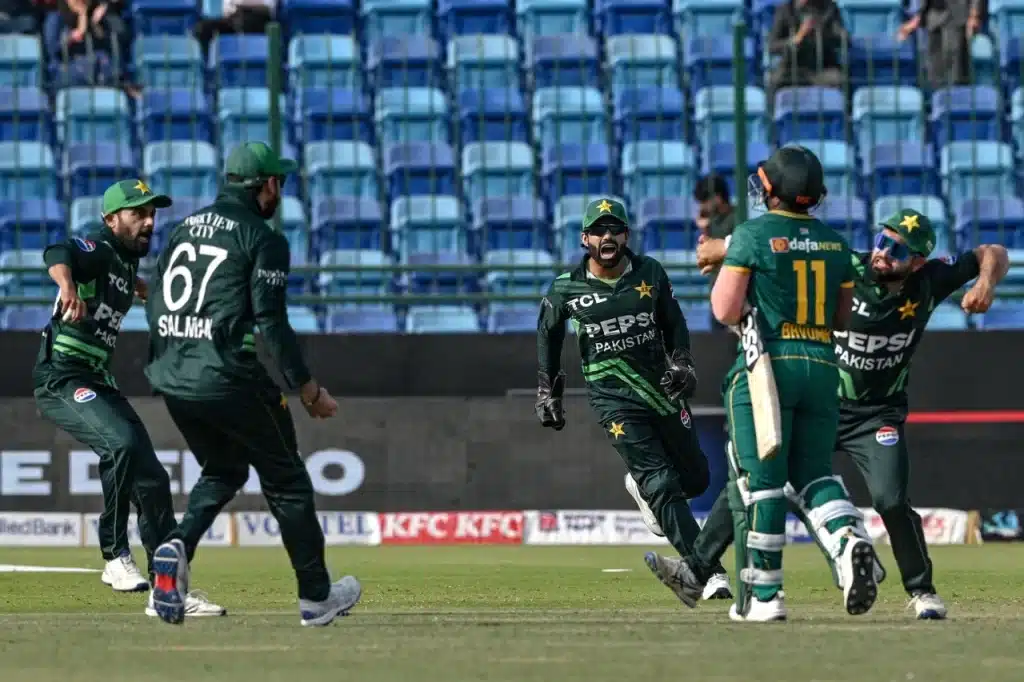
Under Shaheen’s leadership, Pakistan defeated South Africa 2-1 in the ODI series and later whitewashed Sri Lanka 3-0 to secure back-to-back series wins.

The year concluded on a positive note with Pakistan winning a low-scoring T20I tri-series final against Sri Lanka, also featuring Zimbabwe.

Pakistan’s Youth Steal the Spotlight

While the senior team searched for stability, Pakistan’s juniors delivered silverware and optimism.

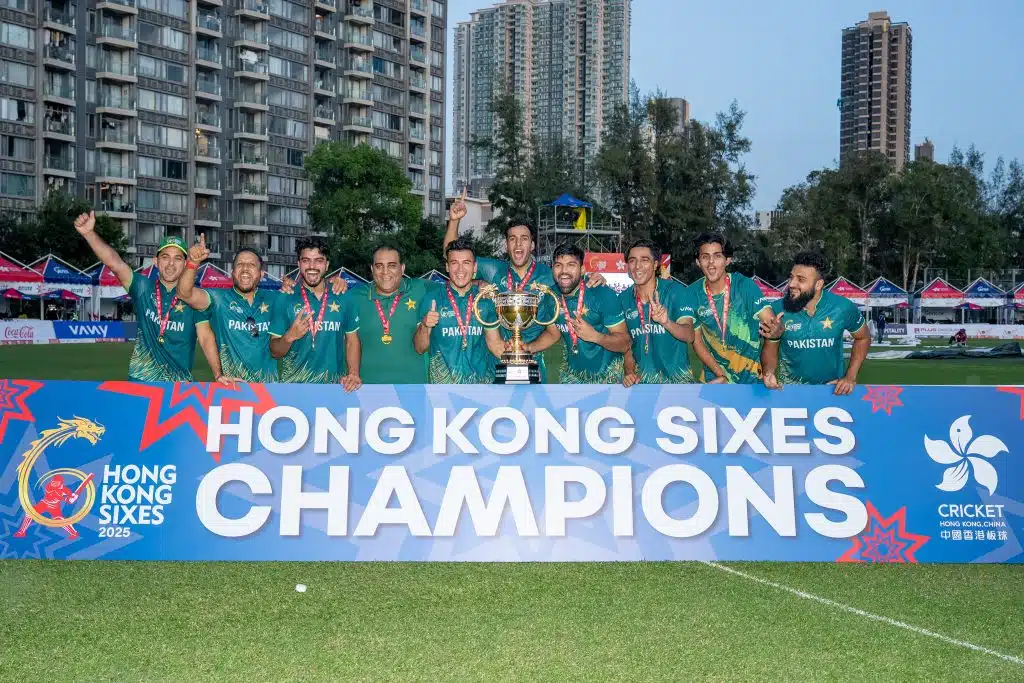
Under Abbas Afridi, Pakistan won the Hong Kong Super Sixes, losing only one rain-affected group match before dominating Kuwait in the final.

Pakistan are winners of the Hong Kong Sixes 2025

In the inaugural ACC Men’s Asia Cup Rising Stars tournament, Pakistan cricket team went unbeaten, including a group-stage win over India.

The final against Bangladesh ended in a tie and was decided by a Super Over, which Pakistan won to lift the trophy.

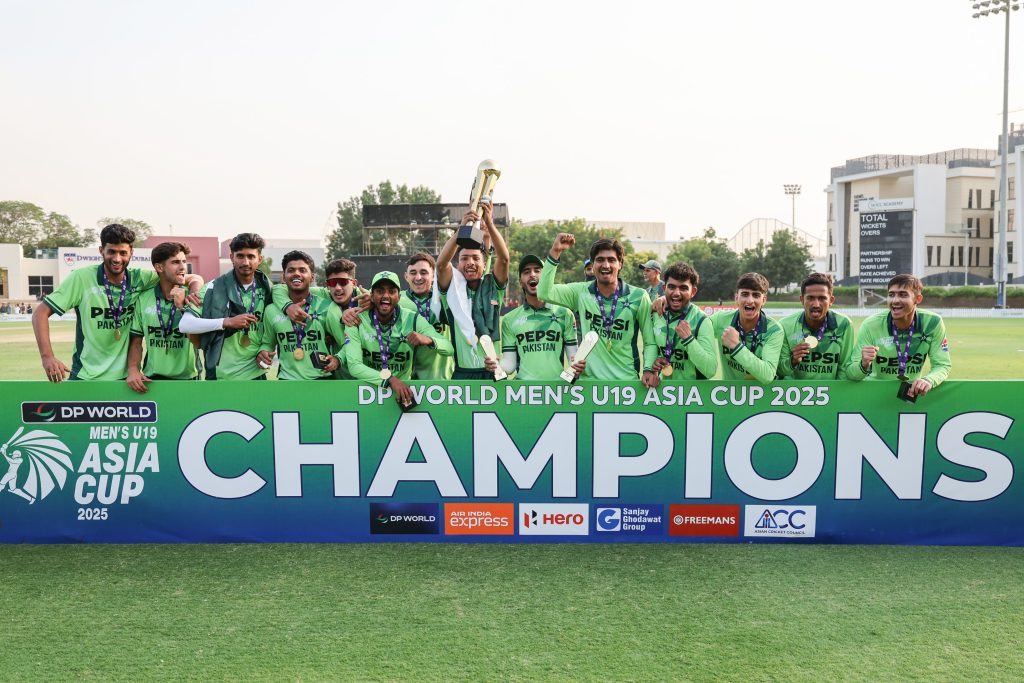
The year’s crowning moment came at the U19 Asia Cup, where Pakistan clinched their maiden title.

Pakistan Cricket in 2025: A Year Caught Between Transition and Promise

In a high-scoring final against India, the young Green Shirts produced a performance reminiscent of the 2017 Champions Trophy, setting a huge total and bowling India out cheaply to seal a historic triumph.

READ: From Hockey to Javelin: Pakistan sports in 2025

FIFA World Cup 2026: schedule, format, venues and key details

The FIFA World Cup 2026, set to be the largest edition in the tournament’s history, is now less than six months away, with FIFA having already unveiled the full match schedule, tournament format, venues and key details for the 39-day global spectacle.

Co-hosted by Canada, Mexico and the United States, the 39-day mega event will run from June 11 to July 19 and feature an expanded field of 48 teams, up from the traditional 32.

A total of 104 matches will be played across 16 venues spread over the three host nations, making the 2026 World Cup the most extensive and logistically ambitious edition ever staged.

Reigning champions Argentina will arrive aiming to defend the title they lifted at Qatar 2022 under the leadership of Lionel Messi.

The 38-year-old will be chasing a historic achievement, as a successful title defence would see Argentina become only the third nation, after Italy (1934, 1938) and Brazil (1958, 1962), to win back-to-back World Cups.

Notably, both Italy and Brazil achieved the feat while lifting the Jules Rimet Trophy, meaning Argentina could become the first team to retain the current FIFA World Cup Trophy, in use since 1974.

The 2026 edition will also mark World Cup debuts for Cape Verde, Curaçao, Jordan and Uzbekistan, underlining FIFA’s push towards greater global representation as the tournament enters a new era.

Opening match and final venues

The tournament will get underway on June 11 at the Mexico City Stadium, where hosts Mexico will play the opening match against South Africa.

Follow us on our Official WhatsApp channel

The World Cup will conclude on July 19, with the final scheduled to be played at the New York New Jersey Stadium, formerly known as MetLife Stadium.

Groups confirmed

The 48 teams have been divided into 12 groups of four. The group lineup includes several heavyweight clashes and intriguing matchups:

  • Group A: Mexico, South Korea, South Africa, Denmark/North Macedonia/Czech Republic/Ireland

  • Group B: Canada, Switzerland, Qatar, Italy/Northern Ireland/Wales/Bosnia

  • Group C: Brazil, Morocco, Scotland, Haiti

  • Group D: USA, Australia, Paraguay, Turkiye/Romania/Slovakia/Kosovo

  • Group E: Germany, Ecuador, Ivory Coast, Curacao

  • Group F: Netherlands, Japan, Tunisia, Ukraine/Sweden/Poland/Albania

  • Group G: Belgium, Iran, Egypt, New Zealand

  • Group H: Spain, Uruguay, Saudi Arabia, Cape Verde

  • Group I: France, Senegal, Norway, Iraq/Bolivia/Suriname

  • Group J: Argentina, Austria, Algeria, Jordan

  • Group K: Portugal, Colombia, Uzbekistan, DR Congo/Jamaica/New Caledonia

  • Group L: England, Croatia, Panama, Ghana

New format explained

The 2026 World Cup will feature a revamped competition structure. After the group stage, the knockout rounds will begin with a Round of 32, a first in World Cup history.

This will be followed by the Round of 16, quarterfinals, semifinals, a bronze medal match and the final.

Tournament phases:

  • Group stage: June 11–27

  • Round of 32: June 28–July 3

  • Round of 16: July 4–7

  • Quarterfinals: July 9–11

  • Semifinals: July 14–15

  • Bronze medal match: July 18

  • Final: July 19

Full schedule of World Cup 2026

Group stage

Thursday, June 11

Mexico vs South Africa at 3pm (21:00 GMT) – Mexico City Stadium, Mexico City, Mexico

South Korea vs TDB at 10pm (04:00 GMT on Friday) – Estadio Guadalajara, Zapopan, Mexico

Friday, June 12

Canada vs TBD at 3pm (20:00 GMT) – Toronto Stadium, Toronto, Canada

USA vs Paraguay at 9pm (05:00 GMT on Saturday) – Los Angeles Stadium, Los Angeles, US

Saturday, June 13

Qatar vs Switzerland at 3pm (23:00 GMT) – San Francisco Bay Area Stadium, San Francisco, US

Brazil vs Morocco at 6pm (23:00 GMT) – New York New Jersey Stadium, New Jersey, US

Haiti vs Scotland at 9pm (02:00 GMT on Sunday) – Boston Stadium, Boston, US

Australia vs TBD at midnight (08:00 GMT on Sunday) – BC Place, Vancouver, Canada

Sunday, June 14

Germany vs Curacao at 1pm (19:00 GMT) – Houston Stadium, Houston, US

Netherlands vs Japan at 4pm (22:00 GMT) – Dallas Stadium, Dallas, US

Ivory Coast vs Ecuador at 7pm (00:00 GMT on Monday) – Philadelphia Stadium, Philadelphia, US

TBD vs Tunisia at 10pm (04:00 GMT on Monday) – Estadio Monterrey, Guadalupe, Mexico

Monday, June 15

Spain vs Cape Verde at 12pm (17:00 GMT) – Atlanta Stadium, Atlanta, US

Belgium vs Egypt at 3pm (23:00 GMT) – BC Place, Vancouver, Canada

Saudi Arabia vs Uruguay at 6pm (23:00 GMT) – Miami Stadium, Miami, US

Iran vs New Zealand at 9pm (05:00 GMT on Tuesday) – Los Angeles Stadium, Los Angeles, US

Tuesday, June 16

France vs Senegal at 3pm (20:00 GMT) – New York New Jersey Stadium, New Jersey, US

TBD vs Norway at 6pm (23:00 GMT) – Boston Stadium, Boston, US

Argentina vs Algeria at 9pm (03:00 GMT on Wednesday) – Kansas City Stadium, Kansas City, US

Austria vs Jordan at midnight (08:00 GMT on Wednesday) – San Francisco Bay Area Stadium, San Francisco, US

Wednesday, June 17

Portugal vs TBD at 1pm (19:00 GMT) – Houston Stadium, Houston, US

England vs Croatia at 4pm (22:00 GMT) – Dallas Stadium, Dallas, US

Ghana vs Panama at 7pm (00:00 GMT on Thursday) – Toronto Stadium, Toronto, Canada

Uzbekistan vs Colombia at 10pm (04:00 GMT on Thursday) – Mexico City Stadium, Mexico City, Mexico

Thursday, June 18

TBD vs South Africa at 12pm (17:00 GMT) – Atlanta Stadium, Atlanta, US

Switzerland vs TBD at 3pm (23:00 GMT) – Los Angeles Stadium, Los Angeles, US

Canada vs Qatar at 6pm (02:00 GMT on Friday) – BC Place, Vancouver, Canada

Mexico vs South Korea at 9pm (03:00 GMT on Friday) – Estadio Guadalajara, Zapopan, Mexico

Friday, June 19

Scotland vs Morocco at 6pm (23:00 GMT) – Boston Stadium, Boston, US

USA vs Australia at 3pm (23:00 GMT) – Seattle Stadium, Seattle, US

Brazil vs Haiti at 9pm (02:00 GMT on Saturday) – Philadelphia Stadium, Philadelphia, US

TBD vs Paraguay at midnight (08:00 GMT on Saturday) – San Francisco Bay Area Stadium, San Francisco, US

Saturday, June 20

Netherlands vs TBD at 1pm (19:00 GMT) – Houston Stadium, Houston, US

Germany vs Ivory Coast at 4pm (21:00 GMT) – Toronto Stadium, Toronto, Canada

Ecuador vs Curacao at 8pm (04:00 GMT on Sunday) – Kansas City Stadium, Kansas City, US,

Tunisia vs Japan at midnight (06:00 GMT on Sunday) – Estadio Monterrey, Guadalupe, Mexico

Sunday, June 21

Spain vs Saudi Arabia at 12pm (17:00 GMT) – Atlanta Stadium, Atlanta, US

Belgium vs Iran at 3pm (23:00 GMT) – Los Angeles Stadium, Los Angeles, US

Uruguay vs Cape Verde at 6pm (23:00 GMT) – Miami Stadium, Miami, US

New Zealand vs Egypt at 9pm (05:00 GMT on Monday) – BC Place, Vancouver, Canada

Monday, June 22

Argentina vs Austria at 1pm (19:00 GMT) – Dallas Stadium, Dallas, US

France vs TBD at 5pm (22:00 GMT) – Philadelphia Stadium, Philadelphia, US

Norway vs Senegal at 8pm (01:00 GMT on Tuesday) – New York New Jersey Stadium, New Jersey, US

Jordan vs Algeria at 11pm (07:00 GMT on Tuesday) – San Francisco Bay Area Stadium, San Francisco, US

Tuesday, June 23

Portugal vs Uzbekistan at 1pm (19:00 GMT) – Houston Stadium, Houston, US

England vs Ghana at 4pm (21:00 GMT) – Boston Stadium, Boston, US

Panama vs Croatia at 7pm (00:00 GMT on Wednesday) – Toronto Stadium, Toronto, Canada

Colombia vs TBD at 10pm (04:00 GMT on Wednesday) – Estadio Guadalajara, Zapopan, Mexico

Wednesday, June 24

Switzerland vs Canada at 3pm (23:00 GMT) – BC Place, Vancouver, Canada

TBD vs Qatar at 3pm (23:00 GMT) – Seattle Stadium, Seattle, US

Scotland vs Brazil at 6pm (23:00 GMT) – Miami Stadium, Miami, US

Morocco vs Haiti at 6pm (23:00 GMT) – Atlanta Stadium, Atlanta, US

TBD vs Mexico at 9pm (03:00 GMT on Thursday) – Mexico City Stadium, Mexico City, Mexico

South Africa vs South Korea at 9pm (03:00 GMT on Thursday) – Estadio Monterrey, Guadalupe, Mexico

Thursday, June 25

Ecuador vs Germany at 4pm (21:00 GMT)– New York New Jersey Stadium, New Jersey, US

Curacao vs Ivory Coast at 4pm (21:00 GMT) – Philadelphia Stadium, Philadelphia, US

Japan vs TBD at 7pm (01:00 GMT on Friday) – Dallas Stadium, Dallas, US

Tunisia vs Netherlands at 7pm (01:00 GMT on Friday  – Kansas City Stadium, Kansas City, US,

TBD vs USA at 10pm (06:00 GMT on Friday) – Los Angeles Stadium, Los Angeles, US

Paraguay vs Australia at 10pm (06:00 GMT on Friday) – San Francisco Bay Area Stadium, San Francisco, US

Friday, June 26

Norway vs France at 3pm (20:00 GMT) – Boston Stadium, Boston, US

Senegal vs TDB 3pm at (20:00 GMT) – Toronto Stadium, Toronto, Canada

Cape Verde vs Saudi Arabia at 8pm (02:00 GMT on Saturday) – Houston Stadium, Houston, US

Uruguay vs Spain at 8pm (02:00 GMT on Saturday) – Estadio Guadalajara, Zapopan, Mexico

Egypt vs Iran at 11pm (07:00 GMT on Saturday) – Seattle Stadium, Seattle, US

New Zealand vs Belgium at 11pm (07:00 GMT on Saturday) – BC Place, Vancouver, Canada

Saturday, June 27

Panama vs England at 5pm (22:00 GMT) – New York New Jersey Stadium, New Jersey, US

Croatia vs Ghana at 5pm (22:00 GMT) – Philadelphia Stadium, Philadelphia, US

Colombia vs Portugal at 7:30pm (02:30 GMT on Sunday) – Miami Stadium, Miami, US

TBD vs Uzbekistan at 7:30pm (02:30 GMT on Sunday) – Atlanta Stadium, Atlanta, US

Algeria vs Austria at 10pm (04:00 GMT on Sunday) – Kansas City Stadium, Kansas City, US,

Jordan vs Argentina at 10pm (04:00 GMT on Sunday) – Dallas Stadium, Dallas, US

Knockout stage

Sunday, June 28

Round of 32 match at 3pm (23:00 GMT) – Los Angeles Stadium, Los Angeles, US

Monday, June 29

Round of 32 match at 1pm (19:00 GMT) – Houston Stadium, Houston, US

Round of 32 match at 4:30pm (22:30 GMT) – Boston Stadium, Boston, US

Round of 32 match at 9pm (03:00 GMT on Tuesday) – Estadio Monterrey, Guadalupe, Mexico

Tuesday, June 30

Round of 32  match at 1pm (19:00 GMT) – Dallas Stadium, Dallas, US

Round of 32 match at 5pm (22:00 GMT) – New York New Jersey Stadium, New Jersey, US

Round of 32 match at 9pm (03:00 GMT on Wednesday) – Mexico City Stadium, Mexico City, Mexico

Wednesday, July 1

Round of 32 match at 12pm (17:00 GMT) – Atlanta Stadium, Atlanta, US

Round of 32 match at 4pm (00:00 GMT on Thursday) – Seattle Stadium, Seattle, US

Round of 32 match at 8pm (04:00 GMT on Thursday) – San Francisco Bay Area Stadium, San Francisco, US

Thursday, July 2

Round of 32 match at 3pm (23:00 GMT) – Los Angeles Stadium, Los Angeles, US

Round of 32 match at 7pm (00:00 GMT on Friday) – Toronto Stadium, Toronto, Canada

Round of 32 match at 11pm (07:00 GMT on Friday) – BC Place, Vancouver, Canada

Friday, July 3

Round of 32 match at 2pm (21:00 GMT) – Dallas Stadium, Dallas, US

Round of 32 match at 6pm (23:00 GMT) – Miami Stadium, Miami, US

Round of 32 match at 9:30pm (03:30 GMT on Saturday) – Kansas City Stadium, Kansas City, US,

Saturday, July 4

Round of 16 match at 1pm (19:00 GMT) – Houston Stadium, Houston, US

Round of 16 match at 5pm (22:00 GMT) – Philadelphia Stadium, Philadelphia, US

Sunday, July 5

Round of 16 match at 4pm (21:00 GMT) – New York New Jersey Stadium, New Jersey, US

Round of 16 match at 8pm (02:00 GMT on Monday) – Mexico City Stadium, Mexico City, Mexico

Monday, July 6

Round of 16 match at 3pm (21:00 GMT) – Dallas Stadium, Dallas, US

Round of 16 match at 8pm (04:00 GMT on Tuesday) – Seattle Stadium, Seattle, US

Tuesday, July 7

Round of 16 match at 12pm (17:00 GMT) – Atlanta Stadium, Atlanta, US

Advertisement

Round of 16 match at 4pm (00:00 GMT on Wednesday) – BC Place, Vancouver, Canada

Thursday, 9 July: First quarterfinal at 4pm (21:00 GMT) – Boston Stadium, Boston, US

Friday, 10 July: Second quarterfinal at 3pm (23:00 GMT) – Los Angeles Stadium, Los Angeles, US

Saturday, July 11: Third quarterfinal at 5pm (22:00 GMT) –  Miami Stadium, Miami, US

Sunday, July 12: Fourth quarterfinal at 9pm (03:00 GMT) – Kansas City Stadium, Kansas City, US

Tuesday, July 14: First semifinal at 3pm (21:00 GMT) – Dallas Stadium, Dallas, US

Wednesday, July 15: Second semifinal at 3pm (20:00 GMT) – Atlanta Stadium, Atlanta, US

Saturday, July 18: Bronze medal match at 5pm (22:00 GMT) – Miami Stadium, Miami, US

Sunday, July 19: Final at 3pm (20:00 GMT) – New York New Jersey Stadium, New Jersey, US

READ: FIFA unveils groups for the World Cup 2026
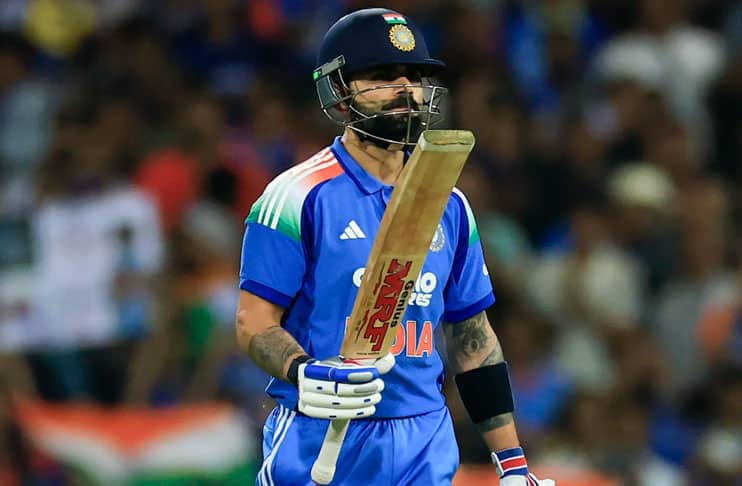
Can Virat Kohli reach 100 international centuries?

For more than a decade, the cricketing world has lived with one irresistible desire: that one day, Indian batting maestro Virat Kohli might break legendary Sachin Tendulkar’s iconic record of 100 international centuries.

Kohli’s recent resurgence, back-to-back hundreds against South Africa, taking his tally to 84, has reignited the conversation, but it hasn’t changed the hard mathematics.

As much as fans want the chase to continue, the reality is hard to ignore: Kohli now plays only one format, having retired from the other two.

Kohli, who turned 37 last month, finished his Test career on 30 hundreds, signed off from T20Is with one, and continues to dominate the ODI format with 53 centuries, the most in the world.

However, to reach Tendulkar’s 100, he still needs 16 more. In isolation, 16 might not sound impossible. In context, it looks highly improbable.

It’s worth noting that Tendulkar had a 24-year-long international career, playing 664 matches before retiring at 40.

Kohli, in contrast, retired from two formats even before turning 37 and now features only in ODIs, with an eye on the ICC ODI World Cup in 2027.

Follow us on our Official WhatsApp channel

It is widely expected that he will retire from professional cricket after the World Cup, leaving him limited time to chase the milestone.

Assuming India reach the World Cup final, Kohli’s upcoming schedule offers roughly 41 matches: 18 ODIs across six three-match series in 2026, a possible six-match Asia Cup, 11 World Cup matches, and a couple of preparatory bilateral series.

Forty-one games to score sixteen hundreds means a century every 2.56 innings, a rate beyond even Kohli’s peak performance.

Interestingly, Kohli has a career ODI century rate of one every 5.54 innings. But, in his last 42 ODIs, the rate improves to one every 4.66 matches, commendable, yet insufficient for the 100-century target.

At this pace, Kohli might finish somewhere between 91 and 93 centuries, a legendary tally, historic, yet shy of the round number that the cricketing world obsesses over.

There’s another hurdle that Virat Kohli may not feature in every series leading up to 2027, especially against weaker teams, where younger players are given opportunities. This could further reduce his chances.

While retirement timing is never certain, he might extend his playing career beyond the World Cup; however, Kohli’s abrupt exits from Test and T20 cricket suggest that he would not do that.

READ: Struggling England suffer major blow ahead of third Ashes Test

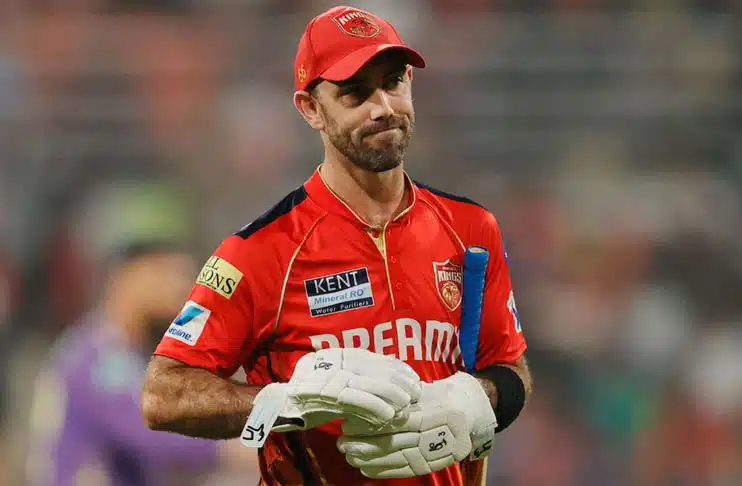
Glenn Maxwell withdraws from IPL 2026 auction

Australian all-rounder Glenn Maxwell has confirmed he will not be registering for the Indian Premier League (IPL) 2026 auction, bringing an end, at least temporarily, to a remarkable chapter of his T20 career.

Taking to Instagram, Maxwell described the decision as a “big call” and reflected on the impact the IPL has had on him both as a cricketer and as a person.

“After many unforgettable seasons in the IPL, I’ve decided not to put my name in the auction this year. It’s a big call, and one I make with a lot of gratitude for everything this league has given me,” the 37-year-old wrote.

Follow us on our Official WhatsApp channel

Maxwell, who has been one of the most sought-after overseas players in the IPL for over a decade, expressed his appreciation for the franchises he has represented, Mumbai Indians, Royal Challengers Bengaluru, Delhi Daredevils (now Delhi Capitals), and Punjab Kings, as well as the fans whose “passion is unmatched.”

“The memories, the challenges, and the energy of India will stay with me forever. Thank you for all your support over the years. Hopefully, see you soon,” he added.

Over 141 IPL matches, Maxwell amassed 2,819 runs at a strike rate of over 155, while also contributing with his off-spin.


View this post on Instagram


A post shared by Glenn Maxwell (@gmaxi_32)

His IPL journey included standout performances for Punjab Kings and RCB, though he also had stints with Mumbai Indians and Delhi Daredevils.

He lifted the IPL trophy once, as a fringe player for MI in 2013.

It’s worth noting that Glenn Maxwell joins a growing list of high-profile players to opt out of the IPL 2026 auction, following Faf du Plessis and Moeen Ali, who opted to feature in the Pakistan Super League (PSL) 2026 season.

READ: PCB confirms Pakistan’s 2026 T20I tour of Sri Lanka

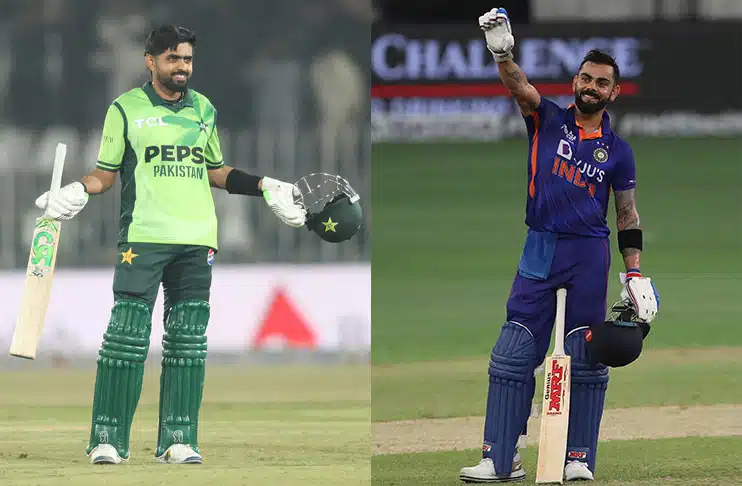
Breaking the Century Drought: How Babar Azam Mirrors Virat Kohli

Comparisons between Babar Azam and Virat Kohli have become a global cricket pastime. Some find them premature, while others find them inevitable; however, cricket has a way of creating parallels that write their own narrative.

Babar’s century on 14 November, his first international hundred in 807 days, sits perfectly alongside Kohli’s famous dry spell, because both men ended their droughts after exactly 83 innings.

It is a coincidence too striking to ignore, especially when both are seen as modern batting figureheads for their nations.

Babar’s unbeaten 102 off 119 balls against Sri Lanka in Rawalpindi was more than a match-winning knock; it was a release, a breaking-the-shackles moment.

His previous international hundred came against Nepal in the 2023 Asia Cup, and although he accumulated runs throughout the drought, that final step into three figures kept slipping away.

Interestingly, Virat Kohli lived his own version of this struggle. After scoring 136 against Bangladesh in November 2019, he waited 1,021 days for his next century.

That next century finally arrived in September 2022 when he struck an unbeaten 122 against Afghanistan in the Asia Cup.

What the 83 Innings Reveal?

Virat Kohli entered his drought already carrying the legacy of 70 international centuries in 395 matches.

Even during his leanest stretch, he managed to score 2,708 runs at an average of 36.10 and a strike rate of 73.24, a reminder that his slump was more about conversion than contribution.

He struck 26 fifties, registered nine ducks, and still produced a boundary count of 251 fours and 48 sixes.

Babar’s path told a slightly different story. Before the start of his drought, he had 31 centuries across 257 international matches. While Kohli was already onto greatness before his drought, Babar was still on his way to it.

Across his 83-innings wait, Babar Azam amassed 2,423 runs at an average of 31.06 and a strike rate of 78.13, with 20 fifties and five ducks, supported by 266 fours and 32 sixes.

A Format-by-Format Story

The Test Chapter

Test cricket was unkind to both. Babar played 12 Tests and scored 594 runs at 24.75, managing four half-centuries but constantly wrestling with form and long spells of scratchy batting.

His highest score during the drought across all formats was his 81-run Test knock against South Africa in Cape Town earlier this year.

Kohli’s Test stint during his drought was slightly more productive, with 872 runs at 27.25 across 18 matches. Even then, he too lived in the same zone as Babar.

Both men saw their Test aura dim, and in many ways, their struggles in whites amplified the psychological weight of the drought.

ODIs: The Familiar Strength

In ODIs, the format where both have historically excelled, Kohli again maintained a narrow edge.

Babar scored 1,012 runs at 33.73 in 33 innings, with nine fifties, but rarely controlled games the way he once did. His strike rate of 77.99 remained steady, yet something always felt half-finished.

Kohli, meanwhile, used ODIs as his survival ground. In 23 innings, he made 824 runs at 35.82, striking at 87.94, and producing ten fifty-plus scores.

T20Is: The Real Separation

The clearest difference came in the shortest format. Babar Azam scored 817 runs at 34.04 with a strike rate of 131.56, which on paper looks solid.

But he struggled with tempo, intent, and the new demands of the format, resulting in him getting dropped from the T20I side before making his comeback against South Africa last month.

Virat Kohli, on the other hand, continued to be India’s dependable chaser. His 1,012 runs at 50.60 and strike rate of 140.94 told the story of a player who remained a match-winner even when hundreds refused to arrive.

His unbeaten 94 against West Indies in Hyderabad was his best knock across all formats during the drought.

Home vs Away

Virat Kohli was significantly stronger at home during his drought, scoring 1,255 runs at 43.27 in 35 innings, with 13 fifty-plus scores.

Away from home, his average dipped sharply to 30.10 across 39 innings, showing signs of struggle in more demanding environments. Neutral venues offered a slightly better balance at 39.85 in nine innings.

Babar Azam’s graph during the drought is the exact opposite. He struggled at home, averaging just 24.00 in 30 innings, a number that feels alien to his usual elegance.

But the moment he travelled, he rediscovered himself. Away from home, he averaged 35.42, delivering 13 fifties and looking far more assured. Even at neutral venues, he held a strong 34.63 across 13 innings.

Two Careers at Different Crossroads

Once Virat Kohli broke the drought, his resurgence was emphatic. He went on to score 11 more centuries in the next two years, leading India to the 2024 T20 World Cup and the 2025 Champions Trophy, and retired from Tests and T20Is with one of cricket’s most complete careers.

Whether he adds to his ODI tally at 37 remains uncertain, but his legacy is sealed.

Babar’s story is still being written. At 31, he is entering the age where batters often flourish.

With the 2026 T20 World Cup and the 2027 ODI World Cup on the horizon, he has time, talent, and a fresh breath of confidence. This century may not just be an end to a drought; it may very well be the start of his second act.

READ: Babar Azam opens up after ending century drought

A responsible overview of casino magic online argentina should keep expectations realistic and highlight policy clarity. Focus on withdrawals, limits, and KYC requirements first, then assess mobile performance and provider lineup. Promotions can be optional; wagering and expiry terms matter more than headlines. 18+ only; set strict limits.

Voor spelers die waarde hechten aan eerlijke feedback en praktijkervaringen is https://theslotzcasino.nl/spelersrecensies een nuttige ingang. De pagina legt de nadruk op gebruikerservaring, uitbetalingen, bonusvoorwaarden en klantenservice. Daardoor ontstaat een duidelijker beeld van hoe het casino in het dagelijks gebruik aanvoelt, vooral voor bezoekers die niet alleen naar promoties kijken maar ook naar betrouwbaarheid en speelcomfort.