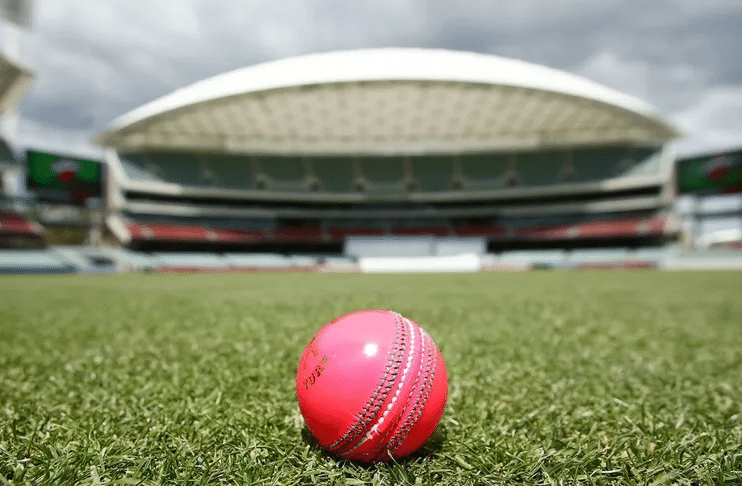
AHMEDABAD: The ICC on Monday approved the use of the pink ball in conventional Test matches to reduce disruptions caused by bad light.
The pink ball was first introduced in 2015 for day-night matches and to improve visibility in poor light conditions. However, it has not been used during traditional Test matches. Over the years, poor light has become a problem due to its prevalence for players, supporters, and broadcasters.
The teams involved in a Test match must inform in advance if they intend to use the pink ball if bad light comes into play. The ICC has not defined the trial’s duration, but the governing body has said it will work with the Marylebone Cricket Club (MCC) to research lighting technology for match officials and venues.
During the board meeting, ICC also approved updates to playing conditions, with head coaches allowed to enter the field of play during drinks breaks in T20Is, a trend originating in franchise leagues. There will also be a 15-minute break after an innings, with batters required to be ready at the resumption of play.
In addition, ICC expressed concern about the rapid growth of franchise cricket and urged stakeholders to establish a committee to harmonize the international and franchise calendars.
Follow us on our Official WhatsApp channel
In addition, Cricket Canada has had its ICC membership suspended with immediate effect over “serious breaches of its membership obligations”.
Despite the cancellation of membership, the ICC said Canadian national teams would continue to feature in mega events and access funding in a systematic way managed by the governing body.
The ICC also said that Cricket Canada would be given a set of reinstatement conditions to address governance and administrative shortcomings, with progress to be monitored by the ICC’s Normalization Committee.
Among the other decisions was the establishment of a 16-team Global Qualifier for the ICC Men’s T20 World Cups, with management tasked with finalizing the competition’s structure.
According to reports, the move restores a worldwide qualification pathway for Associate nations, following the ICC’s recognition of increasing interest and viewership in matches featuring non-Full Member teams.
READ: Mike Hesson breaks silence on criticism over spin-friendly pitches