Two-tier Test system faces growing opposition amid financial concerns

The future of the proposed two-tier Test system is uncertain amid growing resistance from several full-member nations.

Last month, the International Cricket Council (ICC) formed a team to propose recommendations for saving the longest form of the game amid a packed cricket schedule.

The debate over the two-tier Test system has persisted for over 15 years, with the ICC indicating its support for the concept as early as 2009. However, full members remain divided on the issue for various reasons.

The revamped Two-tier Test system will involve an expansion from the present nine-team format to two divisions of six.

A week earlier, The England Cricket Board (ECB) raised his concerns on the revamped Test structure.

Follow us on our Official WhatsApp channel

“We wouldn’t want, as England, if we go through a fallow period, to fall into Division Two and not play Australia or India. That simply couldn’t happen. Common sense needs to prevail,” ECB chair Thomson told BBC’s Test Match Special.

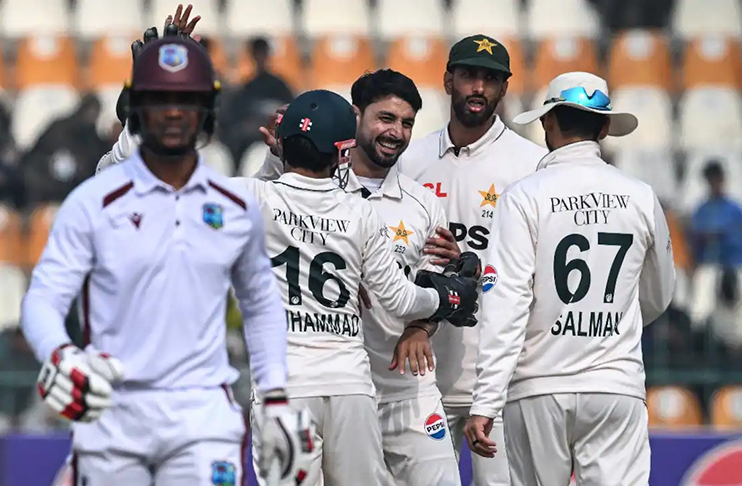
Now, Cricket West Indies (CWI) has also shared its views on the two-tier Test system.

According to a report published on an international sports website, CWI highlighted concerns regarding finances for overhauling the Test structure.

“The CWI does not have a position as we have not held any discussion or seen any specifics (on two-tier championship) other than public speculation.

Our position relates to the financial model that underpins Test and other bilateral international cricket, which we do not believe is fit for purpose and which would have to be a major part of any overhaul,” West Indies board CEO Chris Dehring told the website.

According to the report, the Pakistan Cricket Board (PCB) has reportedly opposed the model at the recently held ICC meetings in Singapore.

“The Test schedule of the ICC is locked for the next two years. So it is too premature to discuss this,” the website quoted a PCB spokesman.

READ: Manchester City’s Grealish to join Everton on loan: reports
ECB fears losing key rivalries in proposed two-tier Test system

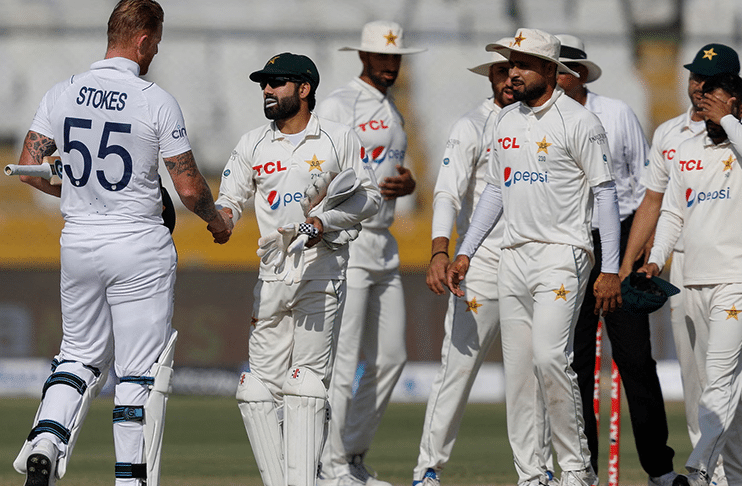
The England Cricket Board (ECB) has shared its views on the proposed two-tier Test structure amid fear of losing key rivalries against India and Australia.

Last month, the International Cricket Council (ICC) formed a team to propose recommendations for saving the longest form of the game amid a packed cricket schedule.

The debate over the two-tier Test system has persisted for over 15 years, with the ICC indicating its support for the concept as early as 2009. However, full members remain divided on the issue for various reasons.

The revamped Two-tier Test system will involve an expansion from the present nine-team format to two divisions of six.

Last week, ECB Chairman Richard Thompson shared his views in an interview with a British news outlet.

“There’s a lot of options that we’ve got to look at – tiers would be one of them,” he said.

Follow us on our Official WhatsApp channel

“We wouldn’t want, as England, we may go through a fallow period, and that means, what, we fall into Division Two and we don’t play Australia and India? That couldn’t happen. There has to be a sense that common sense needs to play out here,” he added.

Moreover, Thompson lauded South Africa for winning the World Test Championship title (WTC) and backed the notion for improving the WTC structure.

On the other hand, Cricket Australia’s (CA) CEO, Todd Greenberg, has echoed similar sentiments; however, he remains open to changes for the survival of Test cricket.

“When I say we, those three countries that [are] putting resources and energy into Test cricket, what role do we have to help others make sure that they step up because it’s in our interest to see a strong West Indies, a strong Pakistan, New Zealand, [and] South Africa,” he explained.

“We want those countries being strong in this format of the game, but clearly they’re going to need help. They can’t do it alone. It’s incumbent on all of cricket to help,” Greenberg said.

He emphasized changes, stressing the more opportunities for other countries to be stronger, meanwhile stating that if the goal is not achieved, he will no longer support the model.

“My open mind is in reference to, if it helps grow the opportunities for those other countries to be stronger, and have better resources in Test match cricket, if it does that, then I’m open for it,” he said.

“But if it doesn’t achieve that, and it actually affects the opposite, then I wouldn’t be supportive,” he concluded.

READ: Prendergast stars as Ireland beat Pakistan in T20I series opener